
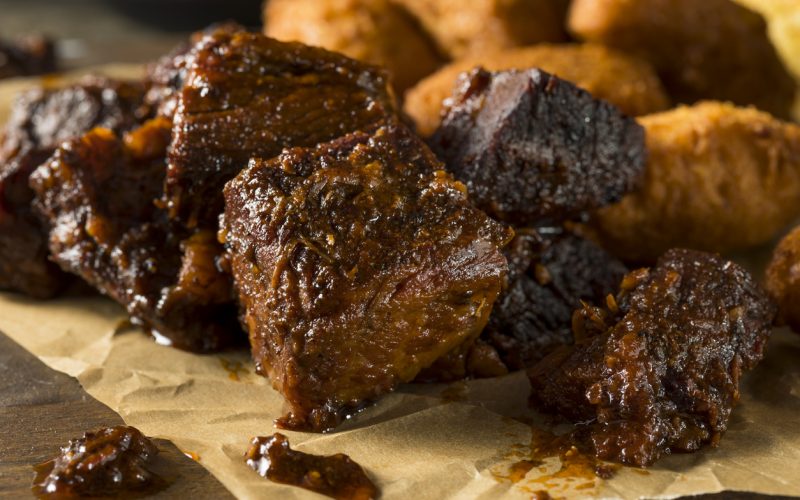
Ever bite into a cube of smoky beef that melts right away? I remember the first time I tried to make burnt ends out of chuck. I didn’t expect them to taste so close to the point end of a brisket. Yet there I was, standing by the smoker, popping a cube in my mouth and shaking my head with a grin. If you’ve chased that same feeling, this guide walks you through it step by step.
The Chuck Roast Burnt Ends Recipe gives you a budget-friendly path to flavor that feels big, bold, and satisfying. Chuck roast responds well to heat and smoke. It softens slowly. It soaks up seasoning. It forms bark with little effort. That’s why this cut earns a spot in so many backyard cooks’ smoker rotation.
This article breaks everything down in plain, friendly language. You’ll find prep tips, smoke setups, sauce ideas, resting advice, and storage tricks. You’ll pick up notes from cooks who have tried this method many times. And you’ll get a full recipe that makes sense on a weeknight or a lazy weekend.
Chuck Roast Burnt Ends Recipe Overview
Why does the chuck roast shine in this cook? It comes from the shoulder, so it carries fat that melts over time. That melt gives each cube a rich feel. When heat moves through this cut slowly, magic happens. Fibers break down. Juices stay inside. Edges build a crust that makes every bite pop.
I’ve used prime, choice, and even bargain cuts from the discount bin. Each worked. You just treat them with care. Light seasoning goes on early. Smoke rolls over them at low heat. Once that bark builds, you cube the roast, add sauce, and let the heat thicken everything. It’s simple. It’s steady. And the results stay consistent.
You might wonder, “Does chuck taste as good as brisket burnt ends?” Many cooks say yes. Some say they prefer it. The cubes finish faster. They feel more forgiving. And when you taste that sticky, sweet-salty crust? You forgot it wasn’t the brisket point.
Here’s the heart of this style:
- Steady heat around 250°F gives the roast time to soften.
- A little fat inside protects the meat as it cooks.
- Smoke clings to the damp surface early.
- Sauce caramelizes in the final stage.
It all comes together to build a small mountain of beef candy.
Prep Guide for Tender Burnt Ends
Good prep sets up everything. I’ve ruined cooks by skipping this stage. Once, I tossed a full, untrimmed roast on the grate and hoped for the best. The fat cap was too thick, and the seasoning refused to stick. Lesson learned.
Start with trimming. You don’t need a perfect shape. Just shave off thick surface fat so the rub can touch the meat. Let some fat stay, though. That fat gives you flavor later.
Next comes seasoning. Keep it simple:
- Salt
- Black pepper
- Paprika
- Garlic powder
You can add brown sugar if you love sweeter bark. Or chili powder for a warm kick. Mix the blend. Cover the roast fully. Press it in so it grips the surface.
Let the roast sit out for 20–30 minutes. This helps the surface turn slightly tacky. That tackiness holds smoke and seasoning better.
Every time I prep chuck this way, I think back to the day I taught a friend how to smoke beef for the first time. He dusted the meat, looked at his hands, and said, “That’s it? That’s all I do?” Yes. That’s the beauty of this cook. You keep things simple and let time do the heavy lifting.
Smoking Methods for Chuck Burnt Ends
Smoking shapes the color, smell, and flavor you expect from burnt ends. You want thin blue smoke drifting across the roast, not thick white clouds.
Pick a wood that suits your taste:
- Hickory gives that classic BBQ punch.
- Oak gives a strong yet smooth flavor.
- Cherry adds a touch of sweetness and deep color.
Set your smoker at 250°F. This temperature keeps things steady. The roast softens slowly, and the bark forms evenly. Place the beef in the smoker with space around it so smoke flows freely.
I tested this recipe on pellet grills, offset smokers, and even a kettle grill with a small fuel basket. Each setup worked. The main rule stays the same: hold your heat steady. When the roast hits around 165–175°F, and bark looks right—dark, firm, and textured—you pull it out.
Now cube the meat. You’ll see steam rush up. Those soft fibers tell you you’ve done things right. Place the cubes into a foil pan. Add sauce, butter, and maybe a splash of beef broth. Cover the pan and return it to the smoker.
This stage lifts each cube from tasty to irresistible. Sauce thickens. Edges darken. Every cube turns sticky.
Sauce, Bark, and Finish Tips
The finish often decides whether burnt ends turn out good or legendary. I learned that from a pitmaster who once told me, “You stop too early, and you miss the magic.” He was right.
For sauce, pick what fits your style. Sweet? Spicy? Tangy? It all works. Mix BBQ sauce with brown sugar and a drizzle of honey if you want glossy bark. If you like heat, add hot sauce or chipotle.
As the cubes sit in the pan, stir once mid-cook. This helps every piece soak in the sauce. When the glaze runs thick and sticky, you know you’re close. You want bark that cracks slightly when you bite in, yet meat that stays soft inside.
A short rest helps too. Let the cubes sit for 10 minutes after you take them out. This keeps the moisture inside each piece instead of running all over your cutting board.
If you’re cooking for a crowd, keep a bowl nearby. People usually grab cubes as soon as they smell them.
Serving Ideas and Storage Advice
You can serve these cubes right off the smoker. But if you want to impress guests, pair them with sides:
- Cornbread
- Baked beans
- Coleslaw
- Mac and cheese
For sandwiches, pile burnt ends on soft buns and spoon extra sauce on top. When I hosted my brother’s birthday cookout, this is what I served. Guests asked for seconds before I even sat down.
Leftovers store well. That’s great news because this dish tastes just as good the next day. Store cubes in airtight containers. Reheat in a pan with a splash of broth so they stay moist.
If you freeze them, wrap them tightly. Warm them slowly when you’re ready to eat again. They bounce back with almost the same texture as fresh.
FAQs
How long does this Chuck Roast Burnt Ends Recipe take?
You can expect around 5–7 hours from start to finish. Lower heat stretches the cook time, yet it keeps the meat soft.
Can I make burnt ends without a smoker?
Yes. Use an oven for the first stage. Add liquid smoke lightly. Then finish the cubes with sauce in a pan.
Should I wrap the roast before cubing it?
You don’t need to. Bark forms better unwrapped. Once cubed, the foil pan handles moisture.
What size roast works best?
A 3–4 pound chuck roast cooks evenly and fits well in most pans.
What if the cubes seem dry?
Add broth or butter during the final stage. That softens the texture again.
Can I use a different cut?
Short ribs or brisket points work too, yet chuck gives the best mix of cost and flavor.
Conclusion
The Chuck Roast Burnt Ends Recipe gives you an easy path to rich, smoky beef with sticky bark and soft centers. You don’t need fancy gear. You don’t need rare cuts. You just follow steady steps—prep, smoke, cube, sauce, finish. Once you taste that first cube, you’ll understand why so many backyard cooks swear by this method.
When you fire up your smoker next time, give this recipe a try. You might end up with a new favorite dish that wins family cookouts and quiet evenings alike.