
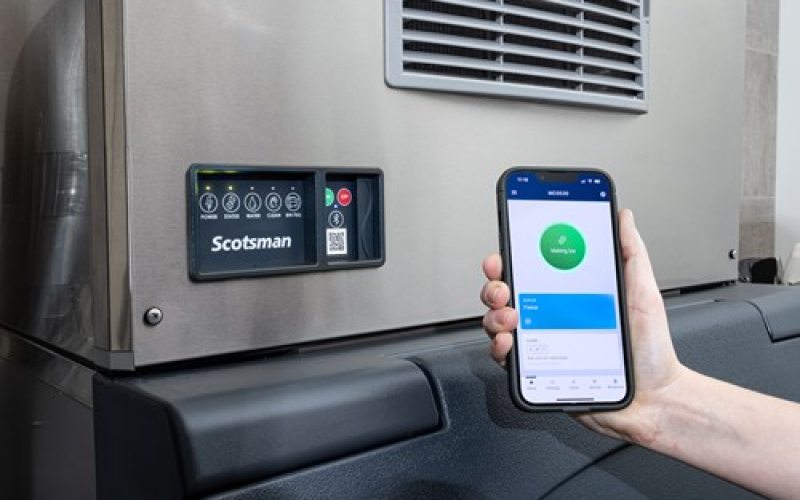
Scotsman ice machines are well-known for their durability and efficiency. Whether in a restaurant, bar, or home kitchen, these machines produce high-quality ice that keeps drinks cool and customers happy.
How Scotsman Ice Machines Work
Scotsman ice makers function through a cycle of water intake, freezing, and harvesting. Water enters the machine, spreads across a cold plate, and freezes layer by layer. Once the ice reaches the right thickness, the machine harvests it and sends it to the bin.
Why Scotsman Ice Machines Are Popular
Many businesses rely on Scotsman machines due to their:
- Energy-efficient designs
- Advanced self-cleaning features
- Variety of ice shapes (nugget, flake, cube)
- Long lifespan with proper maintenance
Despite their reliability, issues can still arise. Knowing how to diagnose and fix them can save time and money.
Common Scotsman Ice Machine Problems and How to Fix Them
Ice Machine Not Making Ice
When a Scotsman ice maker stops producing ice, several things could be wrong:
- Clogged Water Filter: A dirty filter restricts water flow. Replacing it can restore normal ice production.
- Low Water Pressure: Check the water supply line. If the pressure is too low, the machine won’t function properly.
- Dirty Condenser Coils: Dust and debris buildup can cause overheating. Clean the coils with a brush or vacuum.
- Faulty Water Inlet Valve: If the valve malfunctions, it won’t allow water into the machine. Replacing it may be necessary.
Ice Is Too Thin or Too Thick
The thickness of ice depends on water flow and temperature.
- Adjusting the Thickness Setting: Scotsman machines allow manual control of ice thickness. Adjust the setting according to your needs.
- Checking the Water Supply: A restricted or excessive water supply can affect ice consistency. Inspect the hose for blockages.
- Cleaning the Water Distribution Tube: A clogged tube can limit water reaching the freezing plate, leading to thin ice.
Ice Machine Leaking Water
Leaks can damage floors and surrounding equipment. Here’s what to check:
- Loose or Damaged Hoses: Inspect all hoses for cracks or disconnections.
- Faulty Water Pump: A malfunctioning pump may cause water overflow.
- Clogged Drain Line: If water can’t drain properly, it will leak out of the machine.
Ice Has a Bad Taste or Smell
If the ice tastes or smells off, the culprit is usually contamination.
- Dirty Water Filter: Replace the filter every six months.
- Mold and Bacteria Buildup: Clean the ice bin, water lines, and evaporator with a food-safe sanitizer.
- Poor Water Quality: If tap water contains minerals or chlorine, use a filtration system.
Ice Machine Producing Too Much Noise
While ice makers aren’t silent, excessive noise may indicate trouble.
- Loose Parts: Check for loose screws, panels, or fan blades.
- Worn-Out Bearings: If the motor bearings wear out, they can create grinding or squealing noises.
- Clogged Fans or Vents: Debris in the vents can cause buzzing or rattling sounds.
Troubleshooting Your Scotsman Ice Machine
How to Identify the Root Cause
Before attempting a fix, determine where the issue lies:
- Listen for Unusual Noises
- Check for Error Codes (if applicable)
- Inspect Water Supply and Electrical Connections
DIY Fixes for Minor Issues
Some problems require simple maintenance:
- Cleaning the Machine Regularly
- Replacing Old Filters
- Checking for Loose Components
When to Call a Professional
If the issue persists after troubleshooting, a technician may be needed. Complex repairs, such as replacing compressors or circuit boards, should be handled by an expert.
Preventative Maintenance for Scotsman Ice Machines
Regular Cleaning and Descaling
Scotsman recommends cleaning ice machines at least once every six months. Using a nickel-safe descaler prevents mineral buildup.
Replacing Filters and Parts
Filters should be replaced semi-annually, while moving parts like pumps and fans may need attention over time.
Best Practices for Longevity
- Keep the Machine in a Cool, Ventilated Space
- Avoid Overloading the Ice Bin
- Perform Routine Maintenance Checks
FAQs About Scotsman Ice Machine Issues
Why is my Scotsman ice machine not making ice?
A clogged water filter, low water pressure, or dirty condenser coils could be to blame. Regular cleaning and checking water flow can help.
How often should I clean my Scotsman ice maker?
At least every six months. If your ice machine runs continuously, consider cleaning it more frequently.
What should I do if my ice tastes bad?
Replace the water filter, clean the machine thoroughly, and ensure you’re using high-quality water.
How can I fix a leaking Scotsman ice machine?
Check hoses, pumps, and the drain line for blockages or damage. Tightening connections or replacing faulty parts can resolve leaks.
Why is my ice machine so loud?
Loose parts, worn-out bearings, or clogged fans could be causing the noise. Inspect and tighten any loose components.
When should I call a technician?
If you’ve tried troubleshooting but the issue persists, it’s best to call a professional for repairs.
Final Thoughts
Scotsman ice machines are reliable, but problems can still occur. Regular maintenance, timely repairs, and knowing when to seek professional help keep your machine running smoothly. If your Scotsman ice machine stops working, don’t panic—simple fixes may be all you need.