
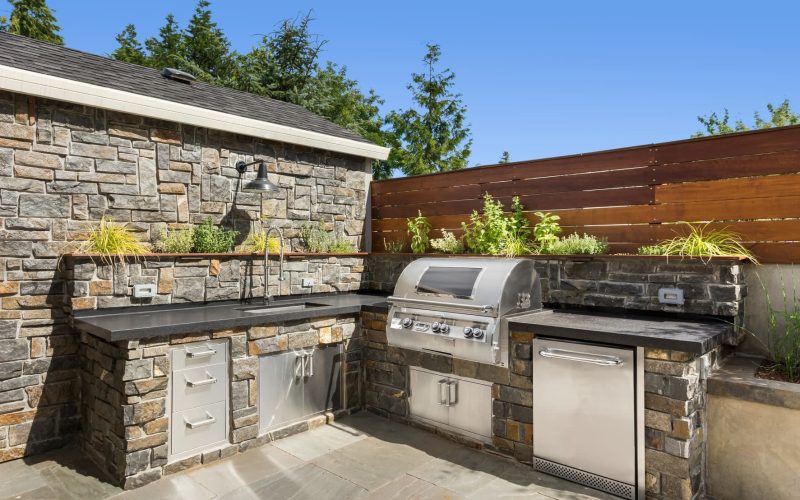
Designing and building an outdoor kitchen can be a fun and exciting project that enhances your outdoor living space and adds value to your home. An outdoor kitchen provides a space for cooking, entertaining, and relaxing with family and friends while enjoying the beautiful weather and scenery. Before embarking on this project, it’s important to understand the key factors involved in designing and building an outdoor kitchen. From choosing the right location and materials to selecting the right appliances and accessories, there are many factors to consider to ensure a successful project. Let’s dive in and check DIY Outdoor Kitchen FAQ.
Firstly, it’s important to choose the right location for your outdoor kitchen. Consider factors such as proximity to your indoor kitchen, the flow of traffic, and access to utilities such as water and electricity. The location should also provide a comfortable and functional space for cooking and entertaining. Additionally, you’ll need to select the right materials for your outdoor kitchen, taking into account weather resistance, durability, and aesthetic appeal. From stone and concrete to stainless steel and tile, there are many options to choose from.
More
Next, it’s important to select the right appliances for your outdoor kitchen, including a grill, refrigerator, sink, and any other accessories you may need. Consider your cooking style and the types of meals you typically prepare to determine the appropriate appliances for your needs. It’s also important to choose appliances that are designed for outdoor use and can withstand weather conditions. Proper installation and maintenance of your outdoor kitchen appliances is crucial for ensuring their longevity and optimal performance.
In this article, we will discuss some of the most frequently asked questions about designing and building an outdoor kitchen, from selecting the right materials and appliances to maintenance and upkeep. By understanding the key factors involved in this project, you can create a functional and beautiful outdoor space that you’ll enjoy for years to come.
The best location for an outdoor kitchen is one that is easily accessible from your indoor kitchen and dining area, but also provides enough space for cooking, entertaining, and relaxation.
No, indoor appliances are not designed to withstand outdoor elements and can be dangerous if used outside. It’s important to use outdoor-rated appliances that are specifically designed for outdoor use.
You can use a combination of ambient, task, and accent lighting in your outdoor kitchen to create a comfortable and functional space. Make sure to choose lighting that is rated for outdoor use and can withstand weather conditions.
You can protect your outdoor kitchen from weather damage by using weather-resistant materials, covering your appliances and surfaces when not in use, and installing a roof or shelter over your outdoor kitchen.
Countertops made from materials such as granite, quartz, concrete, and tile are suitable for outdoor kitchens. Make sure to choose a material that is durable, weather-resistant, and easy to clean.
No, it’s important to hire a licensed professional to install a gas line for your outdoor grill to ensure proper installation and safety.
Installing a roof or shelter over your outdoor kitchen can protect your appliances and surfaces from weather damage and provide shade and comfort for your guests.
You can create a comfortable seating area in your outdoor kitchen by using outdoor furniture such as chairs, tables, and sofas, adding cushions and pillows for comfort, and using lighting and decor to create a welcoming atmosphere.
Flooring made from materials such as concrete, brick, stone, and tile are suitable for outdoor kitchens. Make sure to choose a material that is slip-resistant, durable, and easy to clean.
Choose a size for your outdoor kitchen that is proportional to the size of your outdoor space and accommodates your cooking and entertaining needs. Consider factors such as the number of guests you typically entertain, the types of meals you cook, and the appliances you want to include.
Both natural gas and propane grills are suitable for outdoor kitchens. Choose the one that best fits your cooking style and budget.
A ventilation system is typically not required for outdoor kitchens, but it can be beneficial for removing smoke and odors. Consider using a vent hood or installing a fan to improve air circulation.
No, a power source is required to operate a refrigerator in your outdoor kitchen. Consider using an outdoor-rated refrigerator that is designed to withstand weather conditions.
Create a cohesive design for your outdoor kitchen by using a consistent color palette, choosing materials and finishes that complement each other, and selecting appliances and accessories that fit your overall design aesthetic.
Storage solutions for outdoor kitchens include cabinets, drawers, and shelves that are made from weather-resistant materials and designed to withstand outdoor elements.
No, a water supply is required to operate a sink in your outdoor kitchen. Consider using a professional plumber to install a water line and drain.
Choose a grill that fits your cooking needs based on factors such as the number of burners, cooking surface size, and temperature control options. Consider your cooking style and the types of meals you typically prepare.
Installing an outdoor sound system can enhance the entertainment value of your outdoor kitchen. Choose a system that is designed for outdoor use and can withstand weather conditions.
Choose the right type of fuel for your grill based on your cooking preferences and budget. Propane and natural gas are convenient options, while charcoal and wood-fired grills offer unique flavor profiles.
Consider using a combination of ambient, task, and accent lighting to create a functional and comfortable outdoor kitchen. Choose lighting that is rated for outdoor use and can withstand weather conditions.
You can use your outdoor kitchen year-round by installing weather-resistant materials, heating elements, and lighting that can withstand cold temperatures and inclement weather.
Adding a fire pit or fireplace to your outdoor kitchen can provide warmth and ambiance for your guests. Choose a style and size that fits your outdoor space and complements your design aesthetic.
Accessories such as grilling tools, outdoor refrigerators, and ice makers can enhance the functionality of your outdoor kitchen. Consider your cooking and entertaining needs when selecting accessories.
Choose outdoor kitchen appliances that fit your budget and offer the features and functionality you need. Consider the long-term value and durability of the appliances you select.
Maintain your outdoor kitchen appliances by cleaning them regularly, covering them when not in use, and performing routine maintenance such as checking for gas leaks and replacing worn parts. Follow the manufacturer’s guidelines for proper maintenance and use.